
Bank Architecture
Eighth floor
Human Resource ManagementSeventh Floor
Cybersecurity and Access ControlSixth floor
Compliance and Anti-FraudFifth floor
Financial analytics and reportingThird Floor
Banking risk managementThird floor
Customer Relationship ManagementSecond Floor
Customer Interaction ChannelsFirst floor
Payment systems and treasuryФундамент банка
Major banking systemsWhat is Financial Analytics and Reporting?
Financial Analytics and Reporting is the bank's analytical center, where data is transformed into management and strategic decisions. This floor combines business intelligence (BI) systems, data warehouses and processing (DWH and ETL), predictive analytics and reporting tools. It plays a key role in improving management efficiency, business transparency and ensuring compliance with regulatory requirements.
Modern analytics allows the bank to respond not to events, but to their forecast. This floor solves:
Long manual data collection and processing.
Insufficient accuracy of management and regulatory reporting.
Inability to quickly analyze key indicators.
Lack of systematic work with trends and forecasts.
When numbers work for strategy!
Key decisions and directions of the section
Subsections of the system
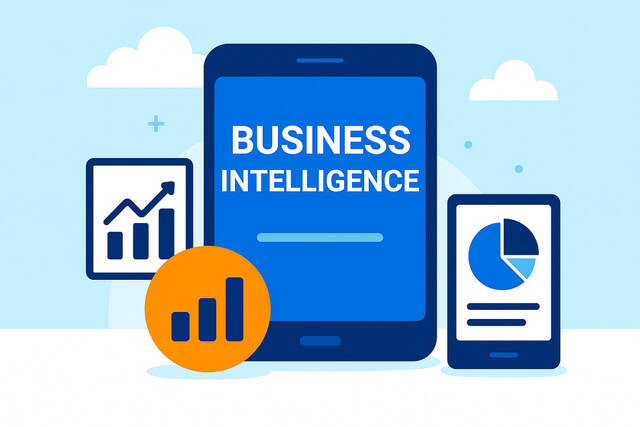
Business Intelligence Systems
Business intelligence systems provide bank management with access to accurate, timely and visually interpretable information on financial, operational and customer performance. Interactive dashboards, reports and analytical showcases form the basis for making strategic, tactical and operational decisions at all management levels.
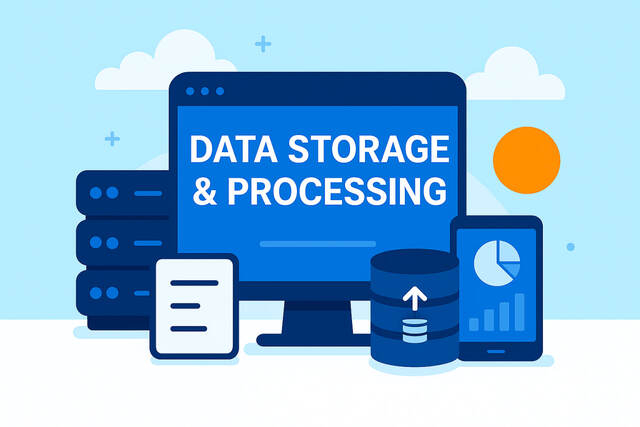
Data storage and processing
Data storage and processing systems ensure reliable integration, centralized storage and preparation of data from all business systems of the bank for subsequent analytics, reporting and decision-making. This is the technological basis for BI, reporting, scoring, monitoring and digital transformation.
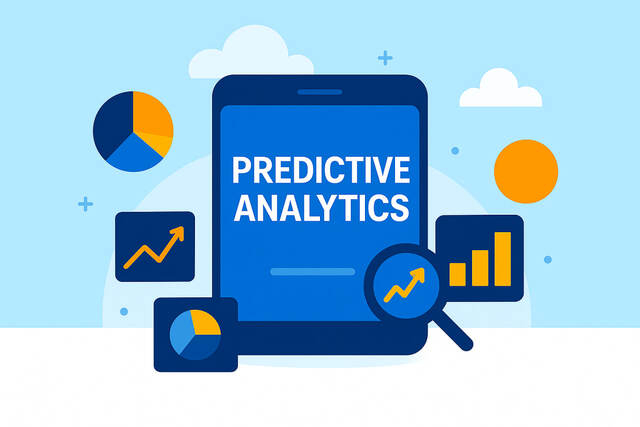
Predictive analytics systems
Predictive analytics systems use machine learning and statistical modeling algorithms to forecast key business indicators, identify trends and prevent potential risks. It is an intelligent decision support tool that provides proactive, data-driven bank management.
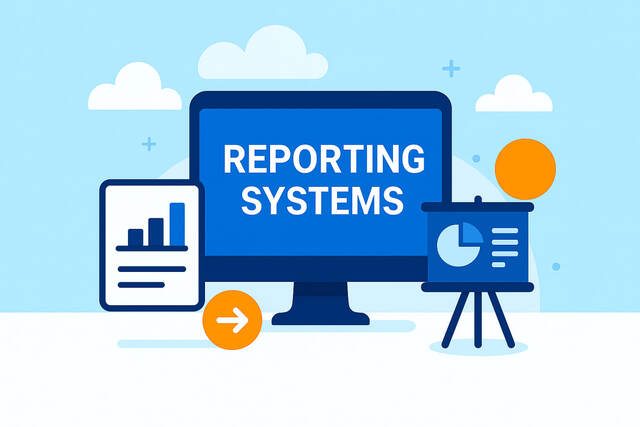
Reporting systems
Reporting systems are specialized solutions for automating the formation of financial, management and regulatory reports, ensuring accuracy, timeliness and compliance with standards. They are critical for transparency, control and effective interaction with regulators, shareholders and internal stakeholders.
Important to know!
70% of analysts' time is spent on preparation, not on data analysis.
BI tools increase the speed of decision-making up to 5 times.
Predictive analytics allows you to forecast customer and market behavior.
Automated reporting minimizes fines for untimely or incorrect reports.
Conclusion
Financial analytics and reporting form the intellectual framework of the bank. Without transparency and predictive models, it is impossible to effectively manage risks, make strategic decisions and comply with regulatory standards.
Who are the solutions suitable for?
For large banks
To manage complex international operations.
Regional banks
To optimize internal processes.
For Fintech companies
For integration with traditional banking systems.
Advantages of implementation
Fast and accuratemanagement analysis.
Reducing costsfor reporting preparation.
The ability to predict and influence indicators.
Соответствие международным стандартам и требованиям регуляторов.

Don’t postpone transformation — get expert advice and learn how to strengthen your bank’s digital foundation right now!
Develop the Skills of a Digital Transformation Leader with inBank Academy
Get access to exclusive courses and practical materials tailored for professionals in the banking sector. Each training module is developed by industry-leading experts and based on real challenges faced by IT leaders, architects, and project teams in banks.
inBank Academy is not just theory. It's a toolkit of frameworks, use cases, and expert knowledge to help you manage change, build transformation architecture, and stay ahead of tech trends.
Top 3 Topics Professionals Choose:
Strategic Thinking and Transformation Architecture
Learn how to design your bank’s technology development as a unified system — from the core to customer-facing channels. Master approaches to building digital architecture and long-term IT strategy.

Change Management and Digital Culture
Technology implementation is not a goal — it’s a journey. Discover how to manage resistance, shape a culture of adaptability, and guide teams through transformation.
Tech Savviness and Trends
Navigate the fast-evolving world of AI, Big Data, Open Banking, and RPA. Learn how to select technologies that give your bank a true competitive edge.
Start learning today — develop skills that truly transform banking reality.