
Bank Architecture
Eighth floor
Human Resource ManagementSeventh Floor
Cybersecurity and Access ControlSixth floor
Compliance and Anti-FraudFifth floor
Financial analytics and reportingThird Floor
Banking risk managementThird floor
Customer Relationship ManagementSecond Floor
Customer Interaction ChannelsFirst floor
Payment systems and treasuryФундамент банка
Major banking systemsWhat is Compliance and Fraud?
The sixth floor of the bank's technological architecture is responsible for its legality, transparency and resilience to internal and external threats. Key systems for preventing financial crimes, ensuring compliance with legislation and internal control are concentrated here. AML, sanctions monitoring, fraud detection systems and compliance tools form a shield that protects the bank from reputational, operational and legal risks.
This floor is critical for the bank's resilience and compliance with regulatory requirements. It addresses the following issues:
Undetected attempts to launder money through a bank.
Working with individuals under sanctions.
Delays and errors in filing regulatory reports.
Lack of internal control and uniform regulations.
When trust requires proof: your digital compliance!
Key decisions and directions of the section
Subsections of the system

Anti-Money Laundering Systems
AML systems are specialized platforms that provide automated transaction monitoring, detection of suspicious activity, and control over compliance with anti-money laundering and counter-terrorism financing (AML/CFT) legislation. This is a mandatory element of the digital compliance infrastructure of every licensed bank.
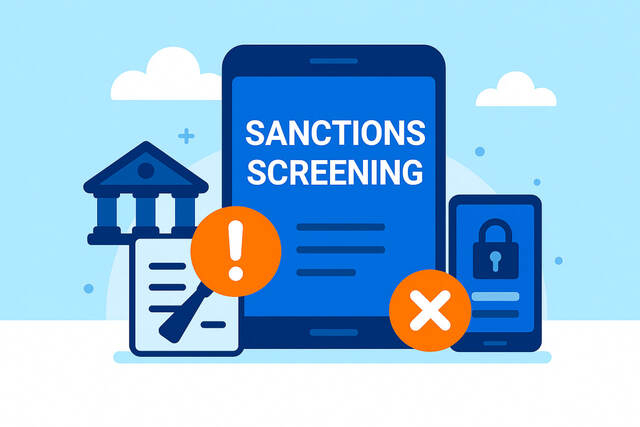
Checking against sanctions lists
The Sanctions List Checking System enables the bank to automatically match customer, beneficiary and counterparty data with international and national sanctions lists. It ensures compliance with AML/CFT requirements, reduces regulatory and reputational risks, and serves as an integral part of the due diligence policy.

Fraud detection systems
Fraud detection systems are intelligent platforms designed to identify suspicious activity in real time, prevent financial losses, and protect customers and the bank from internal and external fraudulent activities. They are a strategic tool for digital security and financial resilience.
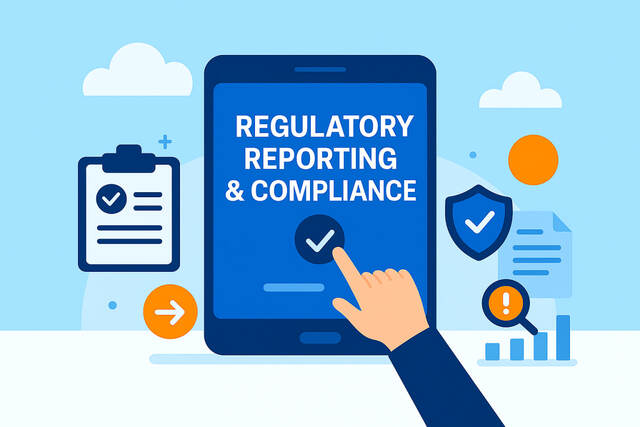
Regulatory reporting and compliance
Regulatory reporting and compliance systems provide automated generation, validation and submission of mandatory reports to supervisory authorities, as well as ongoing monitoring of the bank's compliance with applicable regulatory requirements. This is a key component of a sustainable, licensed and audited financial institution.

Internal Control Management
Internal control management systems ensure continuous monitoring of compliance with bank procedures, policies and regulations, detection of violations and automation of internal control. They form the foundation of reliability, accountability and operational sustainability of a financial institution.
Important to know!
Fines for violating AML requirements reach hundreds of millions of dollars.
Fraudulent schemes evolve daily and require flexible solutions.
Regulators tighten compliance requirements every year.
Banks with strong internal controls are 60% less susceptible to losses from fraud.
Conclusion
Compliance and fraud prevention are not only an obligation, but also a competitive advantage. Reliable risk control and prevention mechanisms allow the bank to operate transparently, reduce losses and maintain the trust of regulators and clients.
Who are the solutions suitable for?
For large banks
To manage complex international operations.

Regional banks
To optimize internal processes.
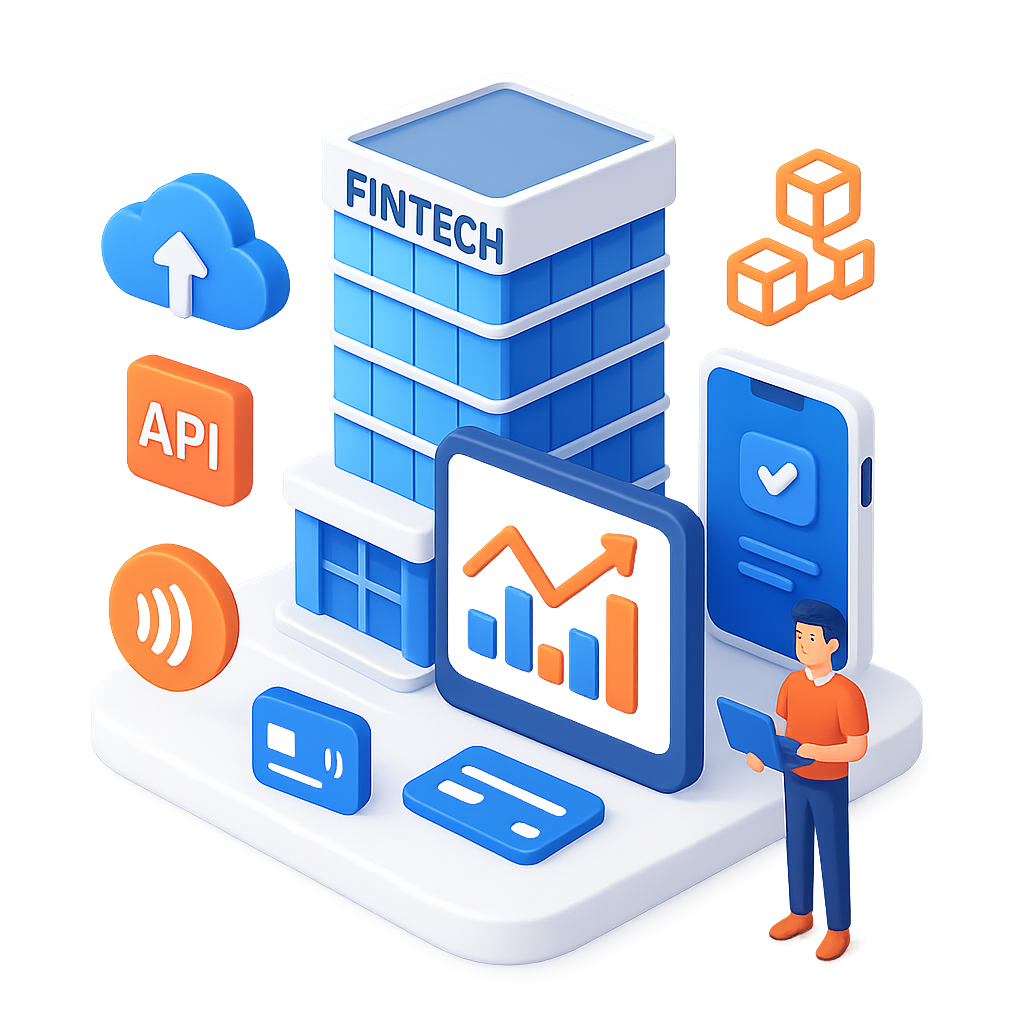
For Fintech companies
For integration with traditional banking systems.
Advantages of implementation
Reducing fines and regulatory risks.
Early detectionof suspicious transactions and fraud.
Increasing transparencyof internal processes.
Building trust from customers and regulators.

Don’t postpone transformation — get expert advice and learn how to strengthen your bank’s digital foundation right now!
Develop the Skills of a Digital Transformation Leader with inBank Academy
Get access to exclusive courses and practical materials tailored for professionals in the banking sector. Each training module is developed by industry-leading experts and based on real challenges faced by IT leaders, architects, and project teams in banks.
inBank Academy is not just theory. It's a toolkit of frameworks, use cases, and expert knowledge to help you manage change, build transformation architecture, and stay ahead of tech trends.
Top 3 Topics Professionals Choose:

Strategic Thinking and Transformation Architecture
Learn how to design your bank’s technology development as a unified system — from the core to customer-facing channels. Master approaches to building digital architecture and long-term IT strategy.

Change Management and Digital Culture
Technology implementation is not a goal — it’s a journey. Discover how to manage resistance, shape a culture of adaptability, and guide teams through transformation.

Tech Savviness and Trends
Navigate the fast-evolving world of AI, Big Data, Open Banking, and RPA. Learn how to select technologies that give your bank a true competitive edge.
Start learning today — develop skills that truly transform banking reality.